How Professional Mold Inspections Work in Payson Homes
Mold growth in homes can lead to significant health risks and property damage, making it crucial for homeowners to understand the importance of professional mold inspections. This article will guide you through the mold inspection process, detailing how it works and why it is essential for maintaining a safe living environment. You will learn about the causes of mold growth, the steps involved in a professional inspection, and the benefits of hiring certified mold inspectors. Additionally, we will explore air quality testing methods and mold remediation options available in Payson, AZ. By the end of this article, you will have a comprehensive understanding of how to protect your home from mold and the resources available to you. In Payson homes, mold issues are often tied to seasonal humidity changes, roof or plumbing leaks, and areas with poor ventilation such as bathrooms, crawlspaces, and attics.
What Causes Mold Growth and Why It Matters in Payson Homes
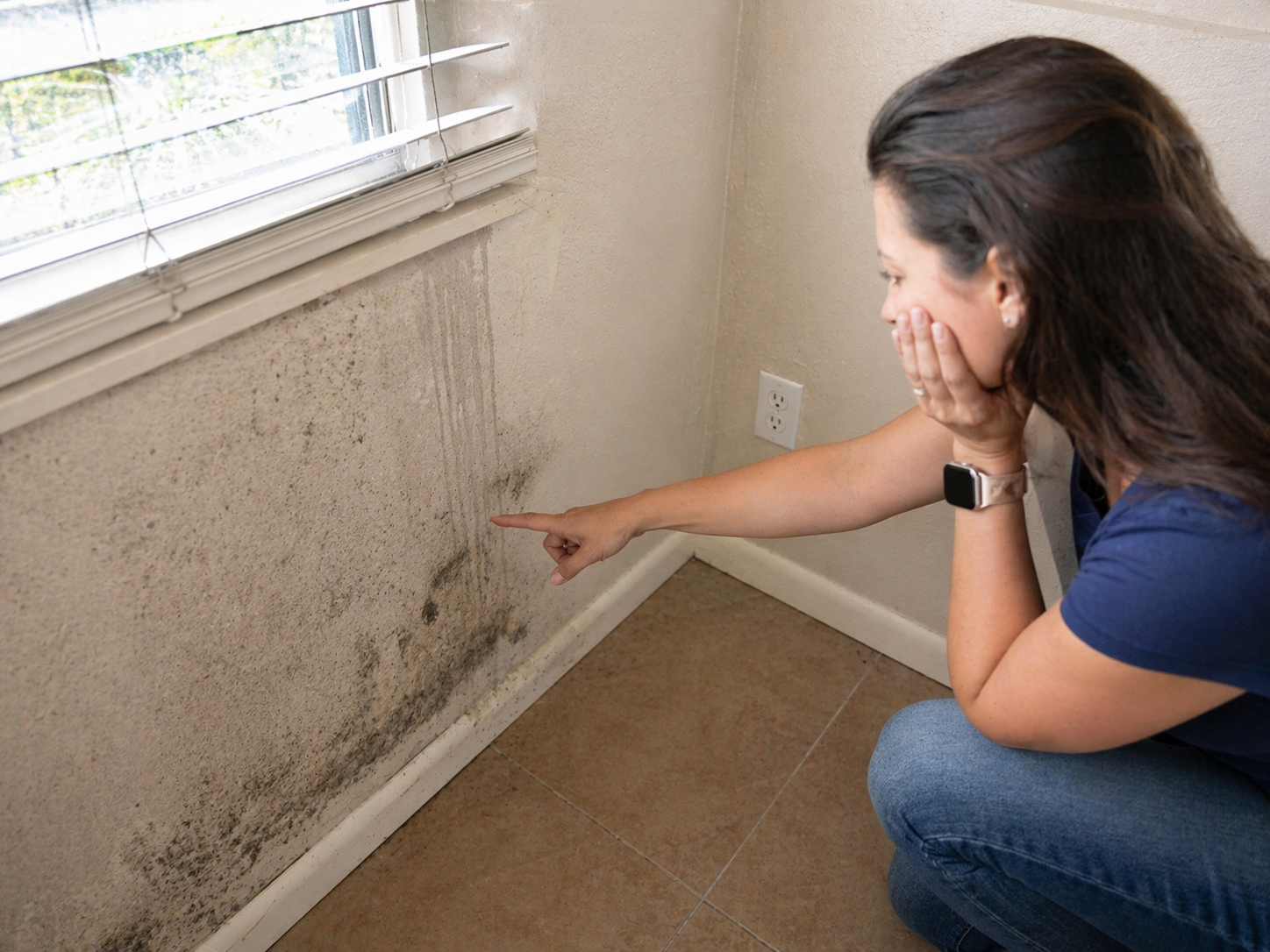
Mold growth in homes is primarily caused by excess moisture, which can stem from various sources such as leaks, high humidity, and poor ventilation. In Payson, the local climate can exacerbate these conditions, making it essential for homeowners to be vigilant. Mold is not just a surface issue and often indicates underlying moisture problems within the structure. Understanding the environmental factors that contribute to mold proliferation is crucial for effective prevention and remediation.
Payson’s climate, characterized by its seasonal variations and humidity levels, plays a significant role in mold development. During the warmer months, increased humidity can create an ideal environment for mold spores to thrive. Additionally, the winter months may lead to condensation in poorly insulated areas of homes, further promoting mold growth. Homeowners must be aware of these climatic influences to take proactive measures against mold.
Exposure to mold can lead to a variety of health issues, particularly respiratory problems. Common symptoms include coughing, sneezing, and throat irritation, which can escalate to more severe conditions such as asthma or allergic reactions. Vulnerable populations, including those with pre-existing health conditions, are at a higher risk of experiencing adverse effects from mold exposure. Understanding these health risks underscores the importance of timely mold inspections and remediation.
What Happens During a Professional Mold Inspection
A professional mold inspection involves a systematic approach to identifying and assessing mold presence in a home. Certified mold inspectors utilize various techniques to ensure a thorough evaluation, which is essential for effective remediation. The inspection process typically includes visual assessments, air sampling, and moisture detection.
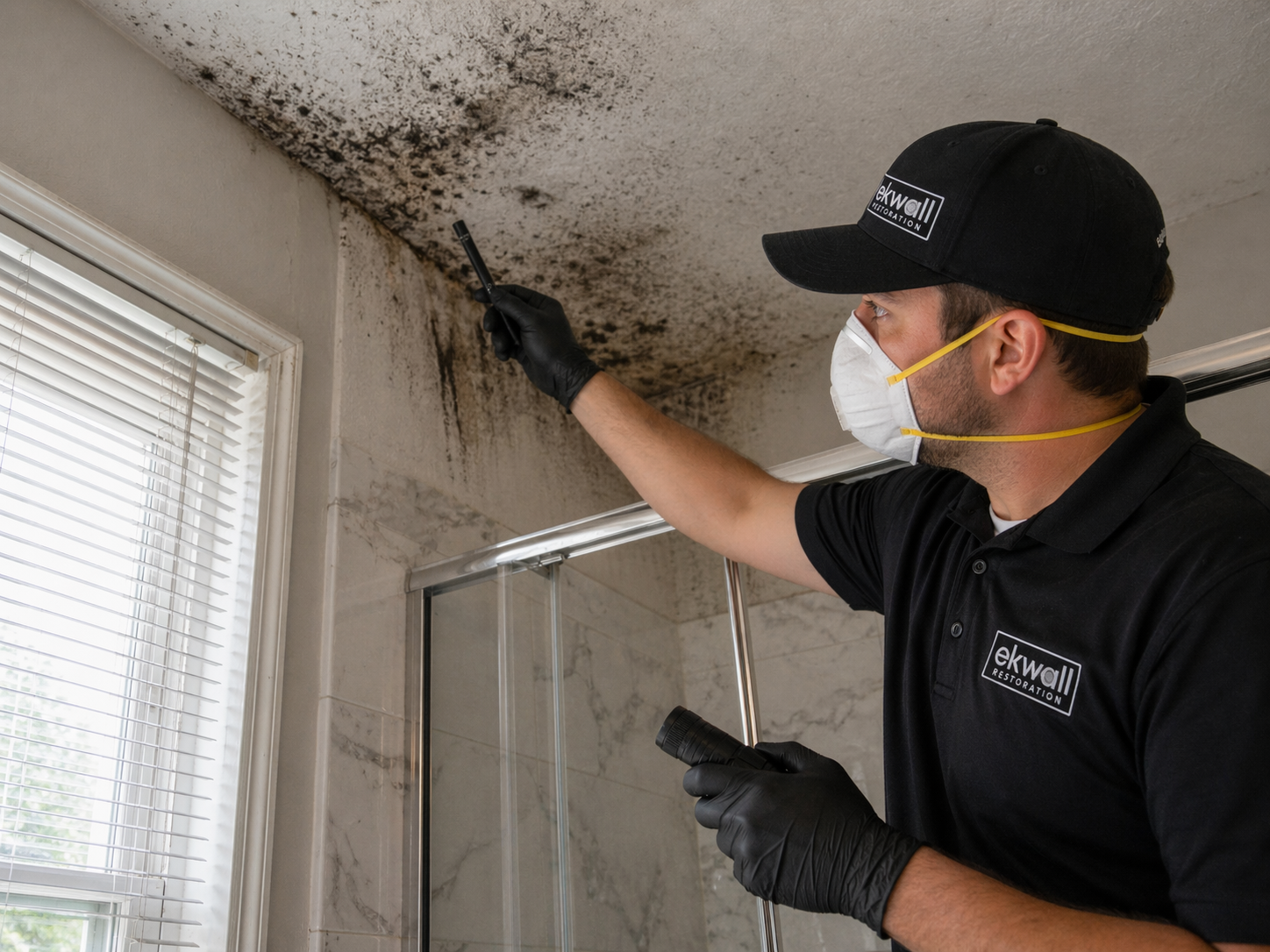
Certified mold inspectors begin with a comprehensive visual inspection of the property, looking for signs of mold growth, water damage, and areas of high humidity. Professional inspectors also focus on identifying the source of moisture, since mold cannot be effectively resolved without addressing the underlying cause. They may use specialized tools such as moisture meters and thermal imaging cameras to detect hidden moisture sources. Following the visual assessment, air sampling is conducted, which is a standard method used in certified mold inspection and indoor air quality testing to measure mold spore levels in the indoor environment. This combination of techniques allows inspectors to accurately assess the extent of mold contamination and indoor air quality.
Ekwall Restoration provides professional mold inspections and moisture detection services in Payson, helping homeowners identify both visible mold and hidden sources of contamination.
A typical mold inspection in Payson homes usually takes between 2 to 4 hours, depending on the size of the property and the complexity of the inspection. Factors such as the number of rooms, the presence of visible mold, and the need for air sampling can influence the duration. Homeowners should allocate sufficient time for the inspection to ensure a thorough evaluation.
Hiring certified mold inspectors is crucial for accurate mold detection and assessment. These professionals possess the necessary training and expertise to identify mold issues that may go unnoticed by untrained individuals. Their knowledge of local building codes and health regulations further enhances the reliability of their assessments. A certified mold inspection ensures that all aspects of mold presence and indoor air quality are properly evaluated.
What Credentials and Training Define a Certified Mold Inspector?
Certified mold inspectors typically hold credentials from recognized organizations, indicating they have undergone rigorous training in mold assessment and remediation. This training includes understanding mold biology, inspection techniques, and health implications associated with mold exposure. Homeowners should always verify the credentials of inspectors to ensure they are qualified to perform mold assessments.
How Do Certified Inspectors Assist with Insurance Claims for Mold Damage?
Certified mold inspectors play a vital role in assisting homeowners with insurance claims related to mold damage. They provide detailed reports and documentation that outline the extent of the mold problem, which is essential for filing claims. Their expertise in communicating with insurance adjusters can also facilitate a smoother claims process, ensuring homeowners receive the support they need. For more information on navigating these claims, visit our insurance claims page.
Air Quality Testing and Mold Detection Methods
Air quality testing for mold is an essential component of the mold inspection process. It involves measuring the concentration of mold spores in the air to assess indoor air quality. This testing helps identify potential health risks associated with mold exposure and informs remediation strategies.
Various air sampling techniques are employed to detect mold spores in indoor environments. Common methods include spore traps, which capture airborne spores on a sticky surface, and impaction samplers, which collect spores on a culture medium. Each technique has its advantages and limitations, and the choice of method may depend on the specific circumstances of the inspection.
Interpreting mold spore levels is crucial for assessing indoor air quality. Mold spore counts are compared to outdoor levels to determine if indoor concentrations are elevated. High levels of specific mold types can indicate a potential health risk, prompting the need for immediate remediation. Understanding these levels helps homeowners make informed decisions about their indoor environment.
Mold Remediation and Next Steps After Inspection
Once a mold inspection is complete, homeowners may need to consider remediation options to address any identified mold issues. Mold remediation involves the removal of mold and the implementation of strategies to prevent future growth. Various methods are available, depending on the extent of the contamination. Professional water damage restoration services often complement mold remediation efforts to ensure a comprehensive approach.
Effective mold removal typically involves a multi-step process that includes containment, removal, and cleaning. The timeline for remediation can vary based on the severity of the mold problem, ranging from a few days to several weeks. Homeowners should work with certified professionals to ensure that remediation is conducted safely and effectively.
Navigating insurance claims for mold damage can be challenging, and understanding the necessary documentation and process is essential for a successful claim.
Certified mold inspectors provide comprehensive documentation that includes inspection reports, air quality test results, and photographs of affected areas. This documentation is crucial for substantiating claims and ensuring that homeowners receive the necessary compensation for mold-related damages.
Homeowners often face challenges when filing mold damage claims, such as disputes over coverage and the extent of damage. To navigate these challenges, it is essential to maintain clear communication with insurance providers and to provide thorough documentation. Homeowners should also be aware of their policy details to understand what is covered.
Preventing Mold Growth Through Moisture Control and Maintenance
Controlling moisture levels is one of the most effective ways to prevent mold growth in Payson homes. Proper ventilation in high-humidity areas such as bathrooms, kitchens, and laundry spaces helps reduce the conditions that allow mold to develop. Using dehumidifiers when needed and addressing leaks promptly can significantly limit excess moisture and lower the risk of mold over time.
Regular maintenance also plays a critical role in prevention. In many cases, recurring mold problems are caused by unresolved moisture issues rather than one-time contamination. Homeowners should conduct routine inspections of their property, paying close attention to areas where moisture can accumulate, including attics, crawlspaces, and around plumbing fixtures. Keeping gutters clean, maintaining HVAC systems, and ensuring proper drainage around the foundation all contribute to a more controlled indoor environment.
Taking these proactive steps not only helps prevent mold growth but also protects indoor air quality and reduces the likelihood of costly remediation in the future.
Verifying Certifications and Service Quality
Before hiring a mold inspection service, homeowners should verify the certifications and qualifications of the inspectors. Checking for valid certifications and inquiring about their experience can help ensure that the chosen professionals are equipped to handle mold assessments effectively.
This table summarizes the key techniques used in the mold inspection process, highlighting their purposes and importance in ensuring a thorough assessment.
Mold inspections are a critical step in maintaining a safe and healthy home environment. By understanding the causes of mold growth, the inspection process, and the importance of hiring certified professionals, homeowners can take proactive measures to protect their homes from mold-related issues. With the right knowledge and resources, navigating mold inspections and remediation can be a manageable task.
Working with an experienced company like Ekwall Restoration ensures that mold issues are properly identified, documented, and addressed before they lead to more serious structural or health concerns.
FAQ
How do I know if I need a professional mold inspection in my home?
If you notice persistent musty odors, visible mold growth, recent water damage, or unexplained respiratory symptoms, it may be time to schedule a professional mold inspection. Even if mold is not visible, hidden moisture behind walls or under flooring can lead to contamination. A certified inspection helps identify both visible and hidden mold issues and evaluates overall indoor air quality.
Is mold inspection necessary if I don’t see visible mold?
Yes, mold inspection can still be necessary even if there are no visible signs. Mold often grows in hidden areas such as behind walls, in crawlspaces, or within HVAC systems. Air sampling and moisture detection used during a professional inspection can uncover problems early, helping prevent more serious damage and health concerns over time.
