
 Field Guide
Most people picture Arizona as too dry for mold. Anyone who has actually owned a home in Payson knows better. Sitting at 4,900 feet on the edge of the Mogollon Rim, Payson catches monsoon rain that the Valley never sees, holds humidity inside log and cabin construction longer than newer stucco builds, and swings forty degrees in a single day during shoulder seasons.
That combination - moisture in, warm air pockets, slow drying - is exactly what mold needs. By the time a homeowner can smell it or see a stain bleed through drywall, the colony behind the wall is usually weeks or months old. The good news is that certified mold remediation, done properly, is a defined process with a defined outcome.
Before: What to Do When You Suspect Mold
The first 48 hours matter more than most people realize. Two common reactions actively make the job harder and more expensive.
Running box fans to "air it out." Moving air across an active mold colony aerosolizes spores and spreads them throughout the HVAC system and into rooms that were never affected. A contained problem becomes a whole-home problem in an afternoon.
Spraying bleach. Bleach is a surface disinfectant. On porous materials like drywall, framing, or insulation, it sits on top while the mycelium underneath stays alive - and the added moisture can actually feed regrowth.
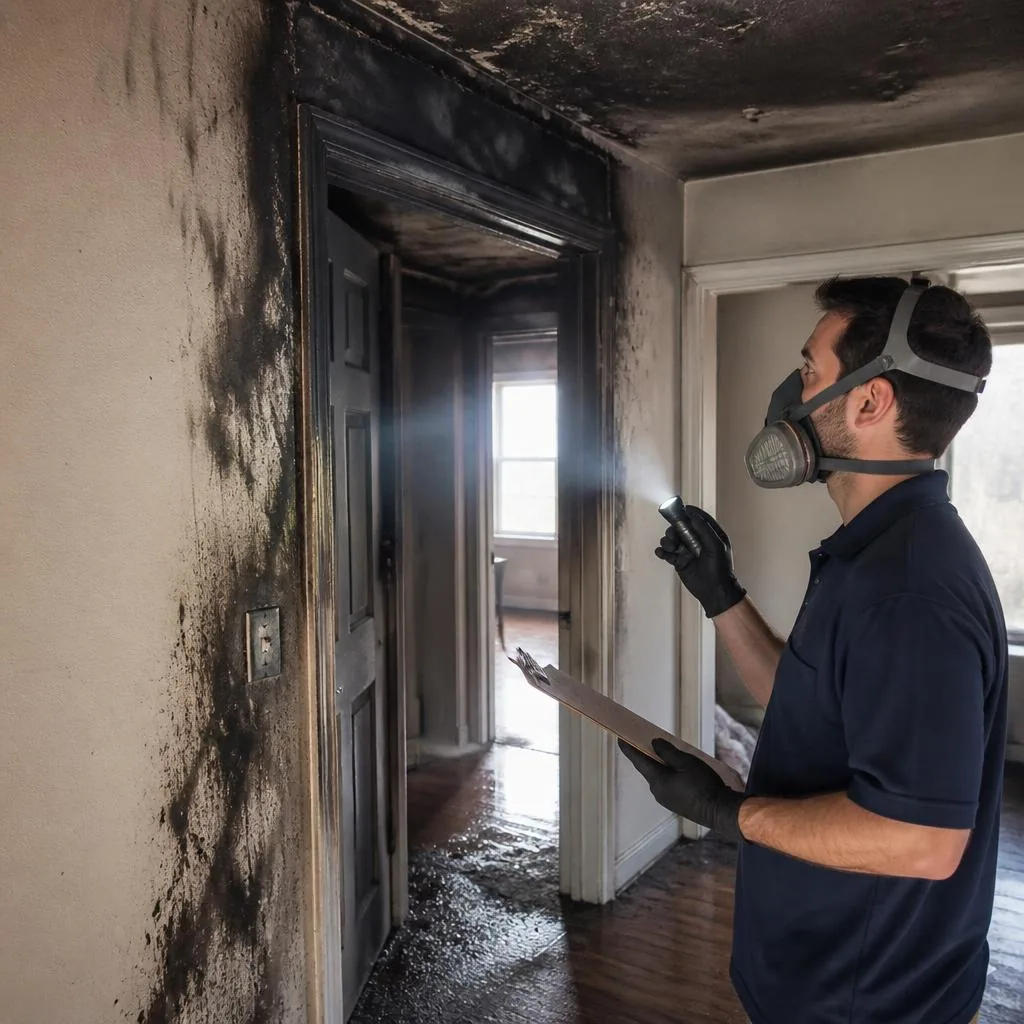
What should happen instead is a scoping inspection by a certified inspector using moisture meters, thermal imaging, and independent third-party lab air sampling. A defensible scope of work names the affected rooms, the linear or square footage, the materials to be removed, the containment method, and the clearance criteria that must be met before sign-off.
During: The Certified Remediation Process
Professional mold remediation in Arizona follows the IICRC S520 standard. Here is what should happen on your property, in order.
Containment
Six-mil polyethylene sheeting goes floor to ceiling. Doorways get zipper-access entries. HVAC supply and return vents inside containment are taped off so spores cannot ride the ductwork into clean rooms.
Removal and Disposal
Porous materials with visible growth - drywall, insulation, carpet pad, sometimes subfloor - are cut out and double-bagged before they ever leave containment. Semi-porous materials like framing lumber are typically saved and treated rather than removed.
HEPA Vacuuming, Antimicrobial, and Structural Drying
Every surface inside containment is HEPA-vacuumed, treated with an EPA-registered antimicrobial appropriate to the materials, and dried with commercial dehumidifiers until moisture readings match unaffected areas of the home. When the source is an active leak, that work runs alongside water damage restoration in Payson.
Post-Remediation Clearance Testing
Before containment comes down, a second round of air samples is pulled and sent to the same independent lab that did the baseline. The numbers must come back at or below normal indoor levels for the rebuild to begin. Clearance testing is the difference between thinking the mold is gone and knowing it.
Timeline, Cost, and Whether You Have to Move Out
A small isolated job is usually 1 to 3 days from containment to clearance. A moderate job involving one or two rooms typically runs 3 to 7 days. Whole-home remediation with structural rebuild can run 1 to 3 weeks or longer. Cost is driven by square footage, affected materials, containment complexity, HVAC involvement, and rebuild scope - a written estimate after a real inspection is the only number worth trusting.
For most contained, single-area remediations, you don't have to move out. You may need to vacate when the affected area includes the only kitchen or bathroom, when HVAC must be shut down, or when someone in the household has heightened sensitivity.
After: Preventing Regrowth in Payson's Climate
Remediation removes what is there. Prevention keeps it from coming back. Payson homes have a few specific vulnerabilities worth naming: monsoon humidity loading moisture into attics and crawlspaces, evaporative coolers pumping humidified air (and often leaking), north-facing cabin walls condensing interior moisture inside the cavity in winter.
Keep indoor humidity below 50 percent. Fix plumbing leaks within 24 hours. Inspect attics and crawlspaces after monsoon season. Service evaporative coolers annually. Re-check remediated areas once a year with moisture meter readings.
Why a Licensed GC Matters for Mold Work
Most restoration companies are mitigation-only. They contain, remove, dry, and leave - and the homeowner is left to find a separate drywall contractor, finish carpenter, and painter, and coordinate the schedule between them. Ekwall Restoration is owned and operated by a licensed Arizona General Contractor with more than twenty years of restoration experience. The same company that builds the containment also rebuilds the wall, hangs the cabinets, and finishes the paint - under one license, one warranty, and one project manager. See completed mold and rebuild projects in Rim Country.