- shane111
- July 1, 2026
If You’re Reading This Right After a Fire
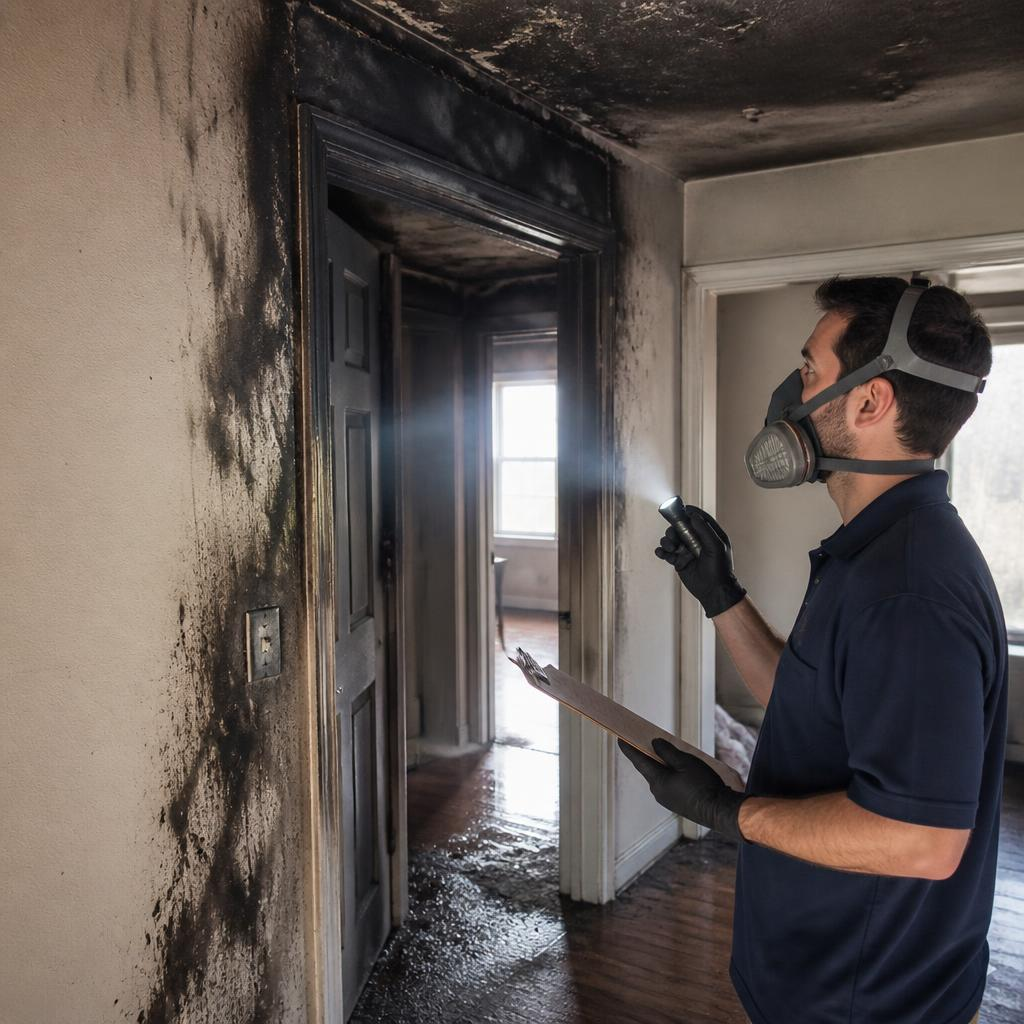
What Payson and Rim Country homeowners should do in the first 24 hours after fire and smoke damage.
Stop. Make sure everyone, including pets, is out of the house and the fire department has given you the all-clear. Then breathe.
The next 24 hours will set the trajectory for everything that follows: insurance, cleanup, smoke odor, structural repairs, and how soon you are back in your home.
Ekwall has run fire and smoke damage response across Payson, Star Valley, Pine, Strawberry, and the rest of Rim Country for more than 20 years. This guide is exactly what we walk homeowners through when they call us in those first chaotic hours: what to do, what not to touch, and what is quietly damaging your home even after the visible flames are out.
You Do Not Have to Figure This Out Alone
Call Ekwall Restoration any time, day or night, at 928-533-1060. We dispatch emergency board-up, tarping, and assessment crews around the clock. You can also request a free estimate online if the situation is not an immediate emergency.
Why the First 24 Hours Decide the Cost and Timeline of Recovery
Fire damage is not one event. It is four. The flames are only the first. The next three start the moment the fire is out and continue silently until a professional intervenes.
Soot
Acidic, oily residue bonds to surfaces within hours and can permanently etch glass, metal, marble, and finished wood if left untreated.
Smoke Odor
Smoke penetrates drywall, insulation, framing cavities, HVAC ducts, fabrics, and even concrete. Heat and humidity make it worse.
Suppression Water
Fire hoses dump hundreds of gallons. By hour 24, that water may be in subfloors and wall cavities, where mold can begin.
Structural Risk
Heat weakens wood framing, fasteners, and metal connectors. Some damage stays hidden until weight is applied.
Acting in the first 24 hours is what keeps a small kitchen fire from becoming a six-month rebuild. For homeowners who need immediate help, Ekwall’s restoration team can secure the property, assess the damage, and begin mitigation quickly.
Hour-by-Hour Action Plan
| Window | What to Do | What NOT to Touch |
|---|---|---|
| 0–1 Hour | Confirm everyone is out and accounted for. Wait for the fire department's all-clear. Call 911 if not already done. Reach a safe location. | Do not enter the structure, even after flames are out. Hot spots can reignite, and weakened floors or ceilings can fail without warning. |
| 1–4 Hours | Call your insurance carrier to open a claim. Call Ekwall at 928-533-1060 for emergency board-up, tarping, and securing the property. | Do not try to clean soot off walls or upholstery. Wiping soot grinds it deeper into surfaces and increases restoration costs. |
| 4–12 Hours | Begin photo documentation. Retrieve medications, IDs, and pet items only if the fire department confirms it is safe. Arrange temporary lodging if needed. | Do not turn on the HVAC, furnace, or air conditioning. Doing so spreads soot throughout the home. |
| 12–24 Hours | Walk the property with Ekwall and your insurance adjuster if available. Sign emergency mitigation authorization and identify valuables that should be protected. | Discard food, cosmetics, medications, and pet food exposed to smoke or heat. Smoke contamination is often invisible. |
The Hidden Damage Most Homeowners Underestimate
Soot in the HVAC System
If your furnace or AC was running when the fire happened, soot is now coating every duct, the blower, and the coil. Turning the system back on without professional cleaning will redistribute that soot through every room, including rooms the fire never touched.
Smoke Inside Wall and Ceiling Cavities
Smoke follows airflow. It pulls through electrical outlets, can lights, and any gap in the building envelope, depositing residue inside cavities you cannot see. That is why a fire in one room can leave a “just-can’t-shake-it” odor throughout the entire home weeks later.
Structural Weakening You Cannot See
Charred or deeply heated lumber loses load capacity even when it looks intact. A ceiling joist that held weight yesterday may not hold it after a fire above it. This is one of the first things a licensed general contractor checks, and one of the reasons cleanup alone is not safe without an assessment.
Water in Places Water Should Not Be
Suppression water finds the lowest point. In Payson’s mix of cabin and conventional construction, that often means crawlspaces, subfloors, and the first cabinet bay on an exterior wall. Within 48 hours, microbial growth can begin. If water intrusion is part of the loss, Ekwall can also address the drying and cleanup through professional restoration services.
What Is Safe vs. Unsafe to Touch
| Safe to Do Yourself | Leave for Professionals |
|---|---|
| Open a window briefly for ventilation if the structure has been cleared. | Wiping or scrubbing soot from paint, drywall, tile, cabinets, furniture, or fabrics. |
| Cover broken windows or roof openings with plywood or tarps only if it can be done safely. | Running the HVAC system, furnace, fireplace, or kitchen appliances before inspection. |
| Photograph accessible damage inside and outside the property for insurance documentation. | Entering rooms with sagging ceilings, charred framing, structural damage, or standing water. |
| Create a room-by-room inventory of damaged belongings for your insurance claim. | Trying to salvage smoke-exposed food, medications, cosmetics, or pet food. |
| Forward insurance correspondence directly to your restoration contractor. | Using household sprays or cleaners to eliminate smoke odor, which often makes professional deodorization more difficult. |
How to Document Damage for Your Insurance Claim
Insurance claims succeed or fail on documentation. Capture as much as possible before any cleanup begins, as long as the fire department has cleared the area and it is safe to do so.
- Wide shots of every affected room from each corner.
- Close-ups of soot lines, charred areas, and water damage.
- Photos of the exterior, the roof if visible, and any board-up work.
- A room-by-room list of contents, including furniture, electronics, clothing, and valuables.
- Receipts or proof-of-purchase for high-value items, if you can access them.
- Copies of the fire department report and incident number once issued.
- A log of every conversation with your insurance carrier, including date, time, name, and what was said.
“We document every photo, measurement, and material with insurance-grade detail and work directly with your carrier and adjuster, so your time goes to your family, not chasing paperwork.”
— Ekwall Restoration
How Ekwall’s Emergency Fire Response Works
Because Ekwall is a licensed general contractor, one team handles every phase, from emergency response through finished rebuild. You are not coordinating four different contractors during the worst week of your year.
Emergency Board-Up and Tarping
The property is secured quickly to prevent further weather damage, theft, animal entry, and unauthorized access after the fire department clears the structure.
Structural and Safety Assessment
Ekwall identifies what is stable, what is unsafe, what needs immediate attention, and what must be protected before mitigation continues.
Water Extraction and Drying
Suppression water is removed from flooring, wall cavities, cabinet areas, crawlspaces, and structural materials before moisture turns into mold.
Soot and Smoke Residue Cleanup
Surface-appropriate methods may include HEPA vacuuming, chemical sponges, dry-ice cleaning, ultrasonic cleaning for contents, and targeted material removal.
HVAC Cleaning and Air Scrubbing
Airborne particles, duct contamination, and odor sources are addressed so smoke does not continue moving through the home.
Professional Deodorization
Depending on the contaminant and home, Ekwall may use thermal fogging, hydroxyl treatment, ozone, or a combination of source removal and odor treatment.
Structural Repairs and Rebuild
Framing, drywall, flooring, cabinetry, paint, finishes, and final repairs are completed by the same licensed GC team from start to finish.
Why Rim Country Fire Risk Is Different
Payson sits next to the Tonto National Forest at around 5,000 feet. That brings a specific risk mix you do not see in Phoenix.
- Wildfire-adjacent embers can find vents, soffits, and roof valleys during fire season.
- Wood stoves, fireplaces, and chimneys are in heavier use than in lower elevations, making chimney fires and creosote ignition more common.
- Monsoon lightning strikes can ignite both interior fires through electrical systems and exterior structure fires.
- Many homes are cabins or second residences, which means fires are often discovered late and damage can spread before anyone notices.
Publishing this in June is intentional. Arizona’s high fire risk season is starting now. If your property has already been affected, contact Ekwall through the emergency restoration contact page or call 928-533-1060.
Frequently Asked Questions
How long does fire damage restoration take?
It depends on the scope. A contained kitchen fire with smoke spread can be done in 2 to 4 weeks. A whole-home fire with structural rebuild can take 3 to 6 months. We give you a written timeline after the initial assessment.
Do I need to vacate during the work?
Often yes for the first phase. Soot, water, and odor work can make a home unsafe to occupy. Once mitigation is complete, many homeowners can move back in while we complete the rebuild in stages.
It was a small fire. Do I really need a professional?
Yes. Soot is acidic and bonds to surfaces within hours. Smoke odor migrates into cavities you cannot reach. Small fires that are not professionally remediated are one of the most common sources of long-term odor complaints and resale issues.
Will the smoke odor truly be gone?
When done correctly, yes. Surface cleaning alone will not do it. Proper deodorization treats the source materials, the HVAC system, and the air at the same time.
Who should I call first, insurance or restoration?
Call both quickly. Insurance opens the claim. Restoration secures the property and prevents the damage from compounding overnight. Ekwall works directly with your carrier from the start.
24/7 Emergency Fire Damage Response in Payson
Ekwall Restoration is locally owned, licensed since 2002, and serves Payson, Star Valley, Pine, Strawberry, Christopher Creek, and the surrounding Rim Country. We respond to fire and smoke damage calls 24 hours a day, 7 days a week, including holidays and middle-of-the-night calls.
Request a Free EstimateTwo Ways to Get Started: Call our team 24/7 at 928-533-1060 for emergency dispatch, or request a free written estimate online and we will be in touch within one business day.
— Shane Ekwall, Licensed General Contractor since 2002 and owner of Ekwall Restoration. 20+ years of restoration experience serving Payson and Rim Country.
