What Arizona Homeowners Need to Know About Water Damage Restoration: A Complete Guide
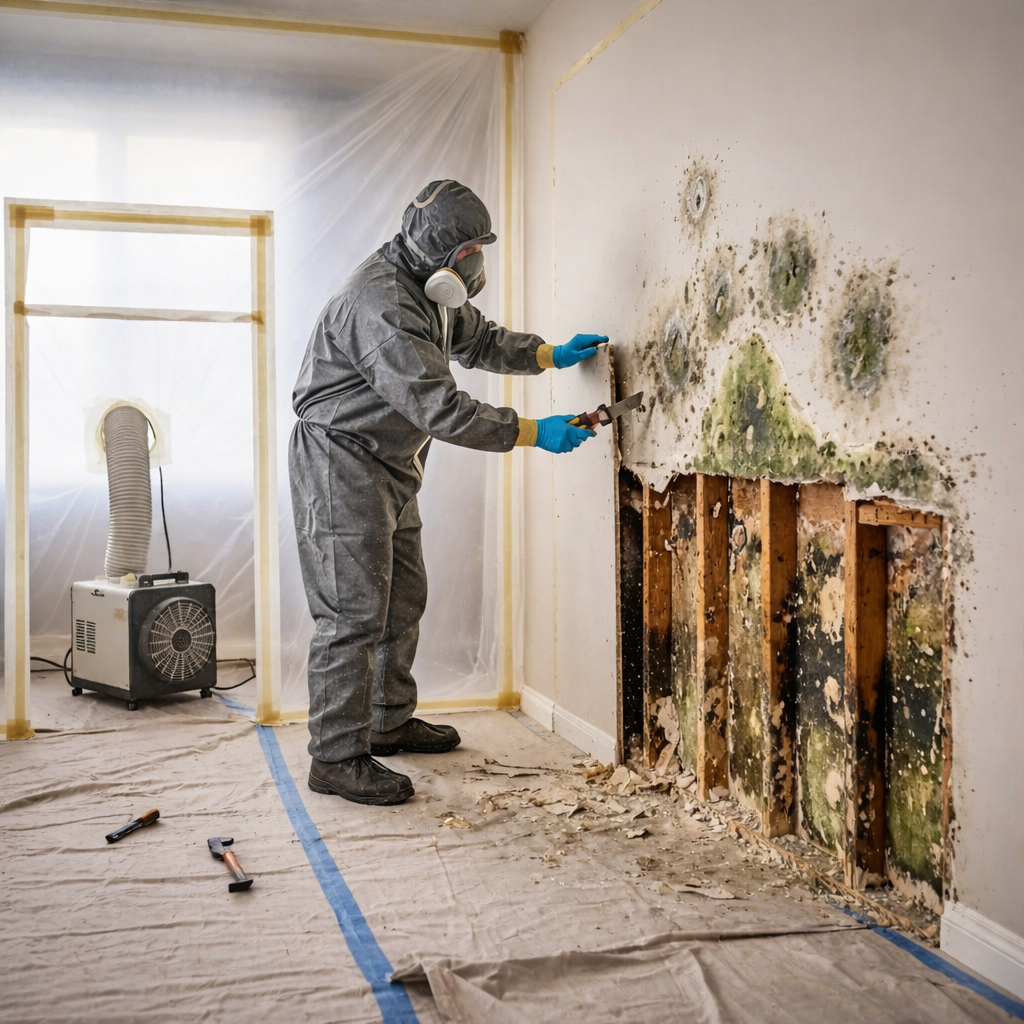
Water damage is a significant concern for homeowners in Arizona, where the unique climate and environmental factors can lead to various issues. This comprehensive guide aims to equip homeowners with essential knowledge about water damage restoration, including causes, prevention strategies, and the restoration process. Understanding these aspects is crucial for mitigating damage and ensuring a safe living environment. In this article, we will explore the common causes of water damage, the impact of Arizona’s climate, effective repair techniques, and how to navigate insurance claims. By the end, homeowners will be better prepared to handle water damage situations effectively.
What Causes Water Damage in Arizona Homes?
Water damage in Arizona homes can stem from several sources, each with its unique characteristics. Understanding these causes is vital for prevention and timely intervention.
- Burst Pipes: Aging plumbing systems can lead to burst pipes, especially during temperature fluctuations.
- Heavy Rainfall: Although Arizona is known for its dry climate, sudden heavy rains can overwhelm drainage systems, causing flooding.
- Roof Leaks: Poorly maintained roofs can develop leaks, allowing water to seep into the home during storms.
Recognizing these potential causes can help homeowners take proactive measures to protect their properties from water damage.
How Do Arizona's Climate and Flood Risks Affect Water Damage?
Arizona’s climate plays a major role in the risk of water damage, often in ways homeowners may not expect. While the state is known for its dry heat, it also experiences intense seasonal storms that can quickly lead to flooding. Monsoon season, typically running from June through September, brings sudden downpours that overwhelm drainage systems and create flash flood conditions. In recent years, shifting weather patterns and rising temperatures have only increased the frequency and severity of these events, even in areas that were once considered low risk.
These environmental factors make it especially important for homeowners to stay prepared. Rapid changes in weather can turn minor vulnerabilities into major problems, and water intrusion can happen faster than many people anticipate. Understanding how Arizona’s climate contributes to these risks allows homeowners to take proactive steps before damage occurs.
In addition to weather related threats, many cases of water damage actually begin inside the home. Faulty appliances are one of the most common causes. Washing machines, dishwashers, and water heaters can develop leaks or fail unexpectedly, releasing large amounts of water in a short period of time. Sewage backups are another serious concern, often caused by blockages or damaged lines, and they can introduce hazardous contaminants into the home.
Natural events such as heavy storms and flash flooding can compound these issues, allowing water to enter through weak points in roofing, foundations, or drainage systems. When these internal and external factors combine, the risk of significant damage increases.
By recognizing both the environmental risks and the most common sources of water damage, Arizona homeowners can take a more proactive approach. Regular maintenance, routine inspections, and early intervention all play a key role in protecting a property and avoiding costly repairs down the line.
How Does Emergency Water Extraction Work in Payson AZ?
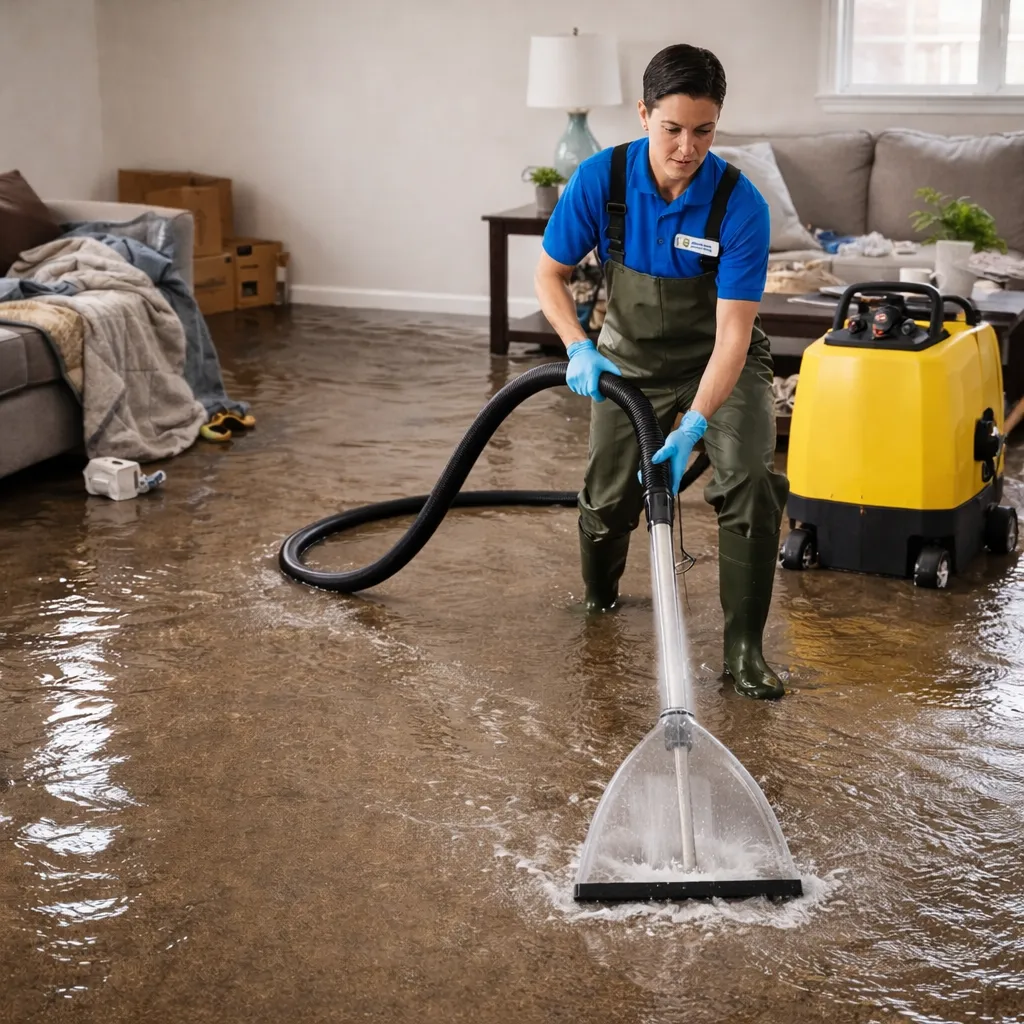
When water damage strikes, one of the most important first steps is emergency water extraction. In places like Payson, where weather and plumbing issues can quickly lead to flooding, removing standing water as soon as possible is essential to minimizing damage and preventing long term issues like mold growth.
The process begins with a thorough assessment of the affected area to determine the extent of the damage. From there, restoration professionals use specialized equipment to remove standing water quickly and efficiently. High powered pumps and industrial vacuums are commonly used to extract large volumes of water, followed by targeted drying of the impacted areas. This immediate response not only protects the structure of the home but also helps reduce overall restoration costs.
The equipment used during this stage plays a major role in how effective the process is. Submersible pumps are designed to handle deep or standing water, while industrial grade vacuums remove residual moisture from flooring and surfaces. Dehumidifiers and air movers are then used to pull moisture from the air and materials, ensuring the space is thoroughly dried. Each piece of equipment serves a specific purpose, working together to prevent further damage and speed up recovery.
Timing is critical in any water damage situation. Homeowners should take action within 24 to 48 hours to avoid mold growth and structural deterioration. Delays can lead to more extensive damage, higher repair costs, and increased health risks. In the immediate aftermath, shutting off the water source, removing valuable items, and contacting a professional restoration service can make a significant difference in the outcome.
From Extraction to Full Restoration
Once the water has been removed, the focus shifts to repairing and restoring the affected areas. Drying and dehumidification are essential next steps, as even small amounts of lingering moisture can create the conditions needed for mold to develop. Professionals use advanced techniques such as air circulation systems and moisture detection tools to ensure no hidden dampness is left behind.
Cleaning and sanitizing are also key parts of the process. Water damage often brings contaminants into the home, especially in cases involving flooding. Proper cleaning helps eliminate bacteria and reduces potential health risks, restoring the space to a safe and livable condition.
If mold has already begun to form, remediation becomes necessary. This involves isolating the affected area, removing contaminated materials, and treating surfaces to prevent further growth. Addressing mold quickly helps protect both the home and the people living in it.
Effective flood damage repair in Arizona depends on a combination of fast response, the right equipment, and experienced professionals who understand the unique environmental challenges of the region. From initial extraction to final cleaning and restoration, each step plays a critical role in returning a home to its pre damage condition.
For homeowners, understanding this process can provide peace of mind during an otherwise stressful situation. Knowing what to expect and acting quickly can make all the difference in limiting damage, reducing costs, and ensuring a safe recovery.
How Is Mold Remediation Handled After Water Damage?
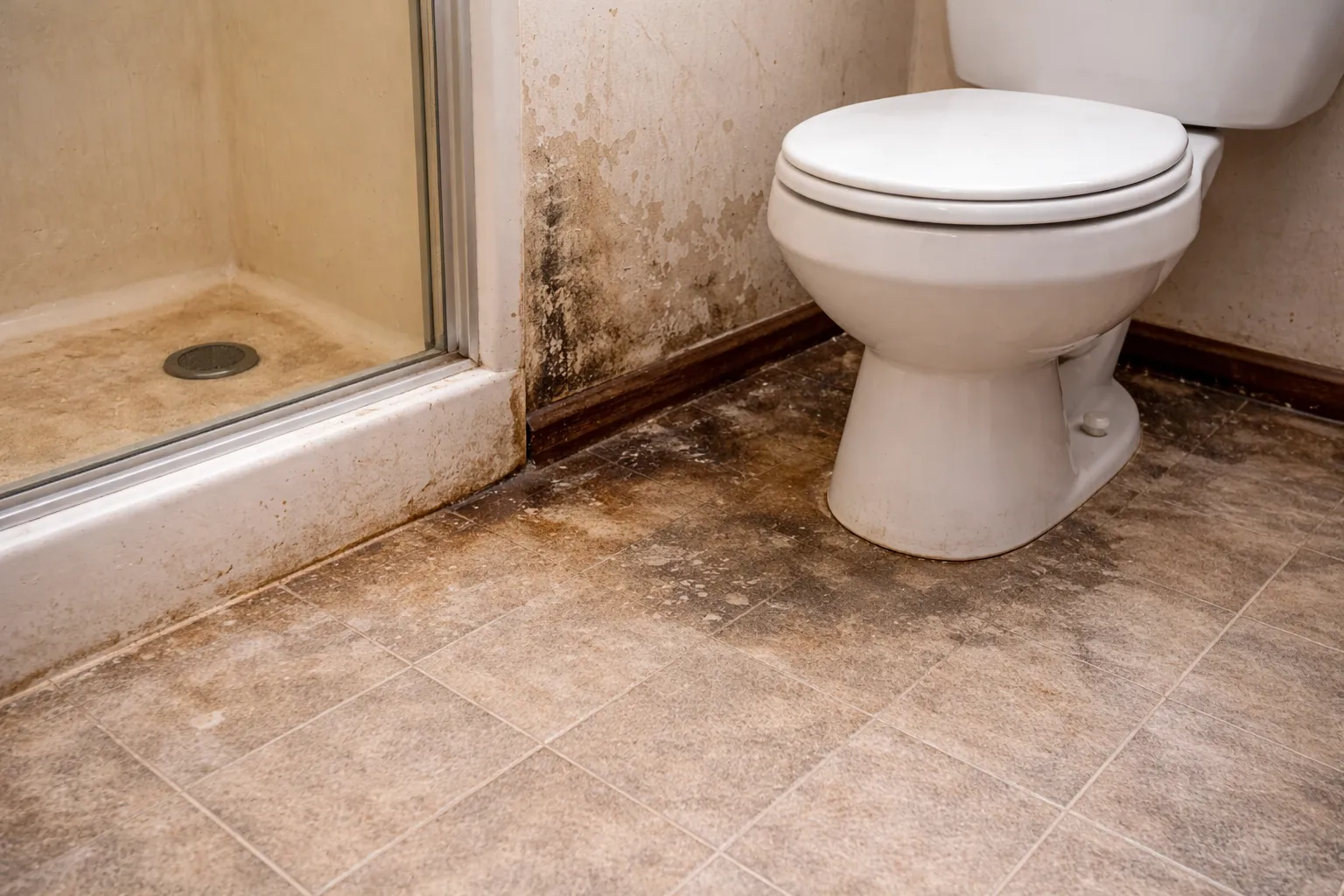
Water damage can happen quickly, but the aftermath is often what creates the biggest challenges for homeowners. One of the most important concerns following any water-related incident is mold. Mold remediation is not just a cleanup step, it is a critical part of protecting both your property and your health.
The remediation process begins with identifying and eliminating the source of moisture. From there, professionals contain the affected area to prevent spores from spreading and remove any materials that cannot be safely restored. Because mold can begin developing within a short window, acting quickly is essential. Left untreated, it can spread through walls, flooring, and HVAC systems, creating more extensive damage and increasing health risks. Exposure to mold has been linked to respiratory issues and other complications, especially for individuals with allergies or sensitivities, which makes proper remediation a priority rather than an option.
Beyond cleanup, many homeowners find themselves navigating the insurance process at the same time. Filing a water damage claim can feel overwhelming, but being prepared makes a significant difference. Thorough documentation is one of the most important steps. Taking clear photos, saving receipts, and keeping detailed records of damage can help support your claim. It is also important to notify your insurance provider as soon as possible so the process can begin without delays. Understanding your policy ahead of time can prevent surprises, as most plans cover sudden and accidental damage such as burst pipes or appliance failures, while excluding issues like flooding or long term neglect.
Once a claim is filed, staying engaged is key. Following up regularly with your insurance company helps keep the process moving and ensures you are aware of any updates or additional requirements. Many delays come down to missing documentation or missed deadlines, so staying organized can make the experience far smoother.
Arizona Homeowners: Flood Damage & Green Infrastructure Prevention
Prior experience of flood damage is a predictor of stormwater infrastructure implementation, but experience with heat did not impact planting vegetation to mitigate the effects of extreme temperatures. Instead, the decision to implement green infrastructure is likely constrained by limited capacity based on income and homeownership, which can impede people’s ability to make management decisions on private residential property.
How do heat and flood risk drive residential green infrastructure implementation in Phoenix, Arizona?, S Meerow, 2021
Preventing Damage and Choosing the Right Help
While restoration is important, prevention is always the best long term strategy. Arizona homeowners face unique challenges due to the climate, especially during monsoon season. Regular maintenance plays a major role in reducing risk. Routine inspections of roofing, plumbing, and drainage systems can help identify small issues before they turn into costly repairs. Keeping gutters clear and ensuring proper water flow away from the home can also prevent unnecessary buildup and damage.
Material choices matter as well. Incorporating water resistant materials during construction or renovation can add an extra layer of protection. Managing indoor humidity is another important factor, as excess moisture creates the ideal environment for mold growth. Using dehumidifiers and ensuring proper ventilation can help maintain a balanced indoor climate.
If water exposure does occur, preventing mold becomes the next priority. Thorough drying of all affected areas is essential, as even small amounts of lingering moisture can lead to growth. Regular inspections in the days following an incident can help catch early signs before they become larger problems.
For homeowners in areas like Payson, working with a local restoration company can make a noticeable difference. Local professionals understand the specific challenges of Arizona’s environment and can respond quickly when emergencies arise. Faster response times often mean less damage, lower costs, and a quicker return to normal life. Many local companies also take a more personalized approach, building relationships within the community and offering a higher level of service.
This becomes even more important when dealing with emergency situations. A 24 hour response can significantly reduce the extent of damage by addressing water intrusion before it spreads and by limiting the conditions that allow mold and bacteria to grow. Acting quickly not only protects the structure of the home but also helps safeguard the health of those living in it.
In recent years, Arizona homeowners have also had to contend with changing environmental conditions. Increased temperatures and shifting weather patterns have led to more intense storms and a rise in flooding incidents, even in areas that were once considered low risk. Data continues to show an increase in water damage claims, particularly during monsoon season, reinforcing the importance of preparation and awareness.
Choosing the right restoration company is another critical step in the process. Homeowners should look for certified professionals with a strong track record and positive reviews. Experience matters, especially when dealing with complex situations involving water, fire, or mold. It is also important to work with a company that offers emergency services, as timing can greatly impact the outcome.
Asking the right questions can help ensure you are making the best choice. Understanding a company’s certifications, response times, and pricing transparency can provide clarity and confidence before work begins. A reputable restoration team will be open, communicative, and focused on delivering quality results.
Water damage can be stressful, but with the right knowledge, preparation, and professional support, homeowners can navigate the process with confidence. Taking proactive steps, responding quickly when issues arise, and working with experienced local experts can make all the difference in protecting your home and maintaining a safe, healthy environment.
 Call Now
water damage services, water damage restoration, emergency water, restoration, water damage, damage, restoration companies tucson, restoration companies phoenix, restoration companies in phoenix az, water restoration phoenix, water restoration phoenix az, water restoration gilbert az, water restoration gilbert, restoration companies tucson az
arizona water damage, water damage arizona, water damage az
Comprehensive Water Damage Restoration Guide for Arizona Homeowners
This guide serves as a complete resource for homeowners in Arizona, offering essential insights into the complexities of water damage restoration. Understanding the multifaceted nature of water damage—from the initial causes to the final restoration processes—is crucial for effective home management and recovery.
By providing detailed information on various aspects such as prevention strategies, emergency response procedures, and the importance of timely professional help, homeowners can make informed decisions that protect their properties and enhance their resilience against water-related issues.
The Importance of Timely Response in Water Damage Situations
Timely response is critical when dealing with water damage, as delays can significantly exacerbate the situation. Immediate action can prevent further damage, reduce repair costs, and mitigate health risks associated with mold growth and structural instability.
For example, homeowners should prioritize shutting off the water source and contacting a professional restoration service within the first 24 to 48 hours of detecting water damage. This swift action not only helps in minimizing damage but also aids in preserving valuable personal belongings and maintaining the overall safety of the home environment.
Understanding Insurance Coverage for Water Damage
Navigating insurance claims can be daunting for homeowners facing water damage. Understanding what is covered under a homeowner's insurance policy is essential in ensuring that they receive the necessary financial support for restoration efforts.
Most policies cover sudden and accidental damage, such as burst pipes or appliance failures, but may exclude flooding or long-term neglect. Homeowners should review their policy details, document damage thoroughly, and communicate effectively with their insurance provider to facilitate a smoother claims process.
Choosing the Right Water Damage Restoration Service
Selecting a reputable water damage restoration service is vital for effective recovery. Homeowners should look for companies with proven experience, appropriate certifications, and transparent pricing to ensure quality service and peace of mind.
Additionally, reading customer reviews and seeking recommendations can provide insights into a company's reliability and quality of work. A trustworthy restoration team will prioritize communication and customer satisfaction, guiding homeowners through each step of the restoration process.